
Why Is My Well Water Sandy, Dirty, or Cloudy?
Sandy or cloudy well water usually means sediment is getting in — most often the pump is set too low and pulling grit off the bottom, a worn or cracked well screen is letting sand through, or a low water level is letting the pump stir up sediment. Quick test: let a glass sit — sediment settles to the bottom, while air bubbles rise and clear.
Firm, itemized price before any work — no surprises.
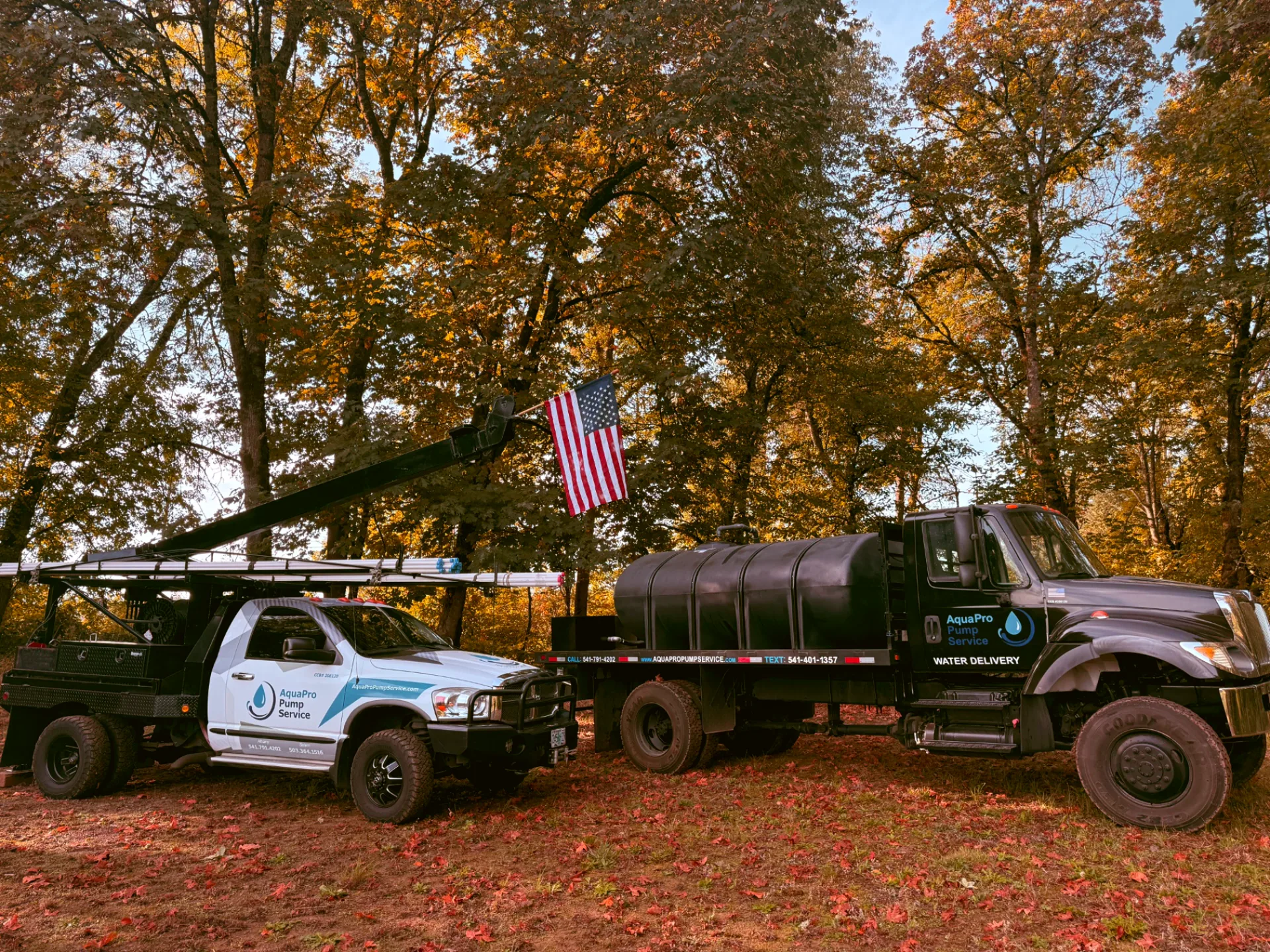
Two generations on Oregon wells — and counting.
3,000+
Wells Served
Across the Willamette Valley & Oregon Coast.Family Owned
Two Generations
First and second, on every job.Licensed & Insured
Peace of Mind
5-Star Rated
On Google
Real neighbors, real wells.
What's Usually Causing It?
Ranked from most to least common.
Pump set too low — pulling sand off the bottom
Common in older wells; the fix is often raising the pump 10–20 ft so it draws cleaner water.
Worn or cracked well screen / casing
Formation sand is getting past the screen and into the system.
Low water table stirring up sediment
Drought or heavy use lowers the level, the pump stirs settled sediment.
Oversized pump drawing too hard
Pulling sand through the screen because the pump is bigger than the well can handle.
Sediment settled in the pressure tank
Years of fine sediment built up in the tank, getting kicked back out into the line.
Recent well work
Cloudiness right after a service usually clears in a few days as the well settles.
What Can I Safely Check First?
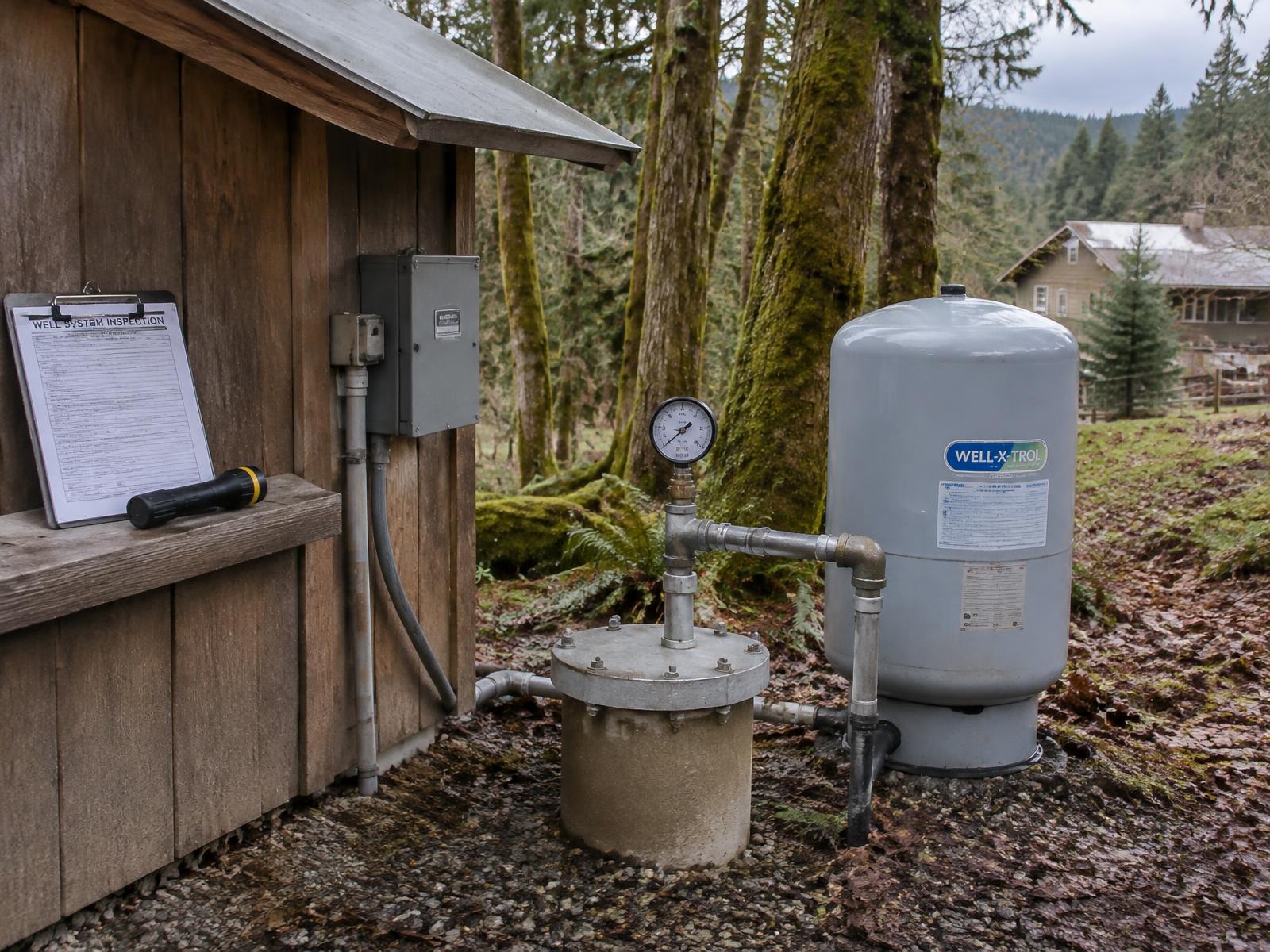
Do the glass test (sediment settles, air bubbles rise and clear). If it started right after pump or well work, run an outside spigot a while — it often clears. Persistent sand is worth acting on fast: it's abrasive and wears out pumps, valves, and fixtures, and can cut a pump's life from 15+ years to a few. Diagnosing it means a downhole camera to check the screen and pump depth — our job. We'll tell you whether it's a pump-position fix, a screen repair, or a sediment filter.
Stop at surface checks. The pressure switch, 220V wiring, and pulling a pump carry high pressure and dangerous voltage — leave those to a licensed pro.
When Should I Call Right Away?
Any of these means stop troubleshooting and call.
Sand that settles in a glass
Sand is abrasive and wears out pumps, valves and fixtures.
Sediment that keeps coming back
Points to a worn screen, low pump position or an oversized pump.
Cloudiness lasting days after well work
Normal settling should clear in a few days.
Dirty water in dry season or heavy use
A low water level can stir up sediment around the pump.
No water right now? We treat that as an emergency.
- Same-day response
- Most repairs done in one visit
Mon–Sat Emergency Response
What Will It Cost?
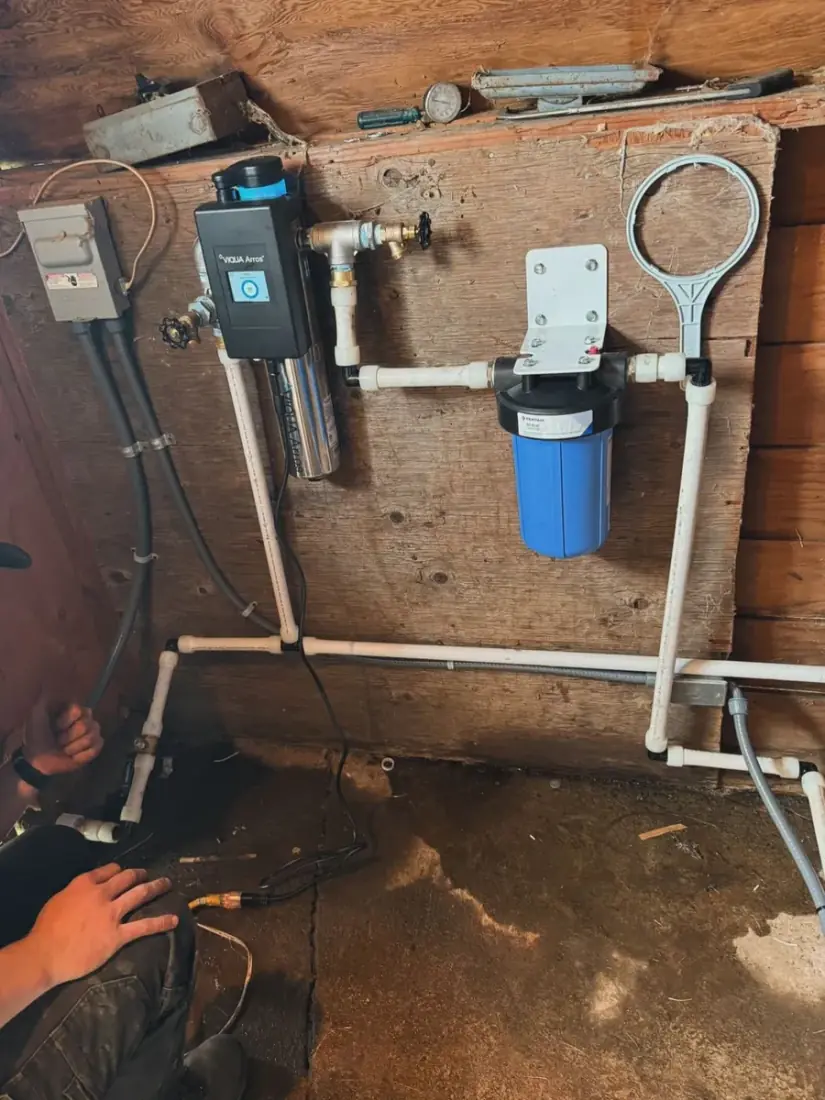
Raising the pump is the cheapest fix. Screen or casing work costs more. A sediment filter or cyclonic separator protects your plumbing if the well itself can't be fully cleaned up.
What Happens When You Call?
We diagnose first, then give you a firm price — you approve it before we begin.
- First call
Step 1: You call us
Tell us the symptom; we'll tell you what it likely is.
- On site
Step 2: We diagnose on-site
Pump, tank, switch, wiring, and water — the whole system.
- Before any work
Step 3: Upfront price, you approve
Repair options explained straight.
- Usually one visit
Step 4: Fixed with premium parts
Most fixes finished the same visit.
What Do Oregon Neighbors Say?
“I got estimates from two other companies and learned a lot. Shayne came out and reviewed my situation himself — decades of experience, clearly knows his stuff. They use the highest-quality equipment.”
“I had a deep well pump failure and they made me a priority — out to assess within an hour, and a new pump, pipes, and controller installed by the next day.”
“On time for every appointment, finished faster than expected, and credited me for parts they didn't use. We were only without water about 5 hours while they replaced our pump and pressure tank.”
Why Call Aqua Pro for This?
We diagnose first — no upsell
Often it's a switch, a capacitor, or a tank — not the pump. We tell you straight.
Most fixes done in one visit
Our trucks carry what wells need, so most repairs are finished the day we arrive.
Firm, itemized quote first
You see exactly what it costs and why before we start. No surprise charges.
Two generations, family-owned since 2007
Licensed, bonded, and insured, working Valley and Coast wells every day.
Who Does Our Family Support Locally?
The local charities, chambers and community groups we're proud to stand behind.








What Else Could It Be?
- 01
Smelly or Iron-Stained Water
Iron, sulfur, or bacteria we can treat at the source.
- 02
Air or Sputtering From Faucets
Low water level, a leak, or a pump drawing air.
- 03
No Water From Your Well
Failed pump, tripped breaker, or a low well level.
- 04
Low or Dropping Water Pressure
Pressure tank, switch setting, or a worn pump.
- 05
Pump Won't Turn On
Breaker, pressure switch, capacitor, or motor.
- 06
Pump Won't Shut Off (Short-Cycling)
Waterlogged tank or a failing pressure switch.
Which Service Fixes It?
Where Do We Fix Well Problems?
Aqua Pro covers Linn, Benton, Marion, Polk & Lincoln counties — Valley and Coast, plus the surrounding rural areas.
Don't see your town? Call and we'll confirm.
What Else Do People Ask About Dirty or Cloudy Water?
Last updated June 2026.