Does Homeowners Insurance Cover Well Pump Repair?
Usually, no — standard homeowners insurance does not cover well pump failure caused by normal wear and tear, age, or gradual mechanical breakdown. But many policies do cover a well pump if it is damaged by a covered peril such as lightning, fire, windstorm, or sudden accidental damage. The key is how the pump failed, not that it failed.
Firm, itemized price before any work — no surprises.
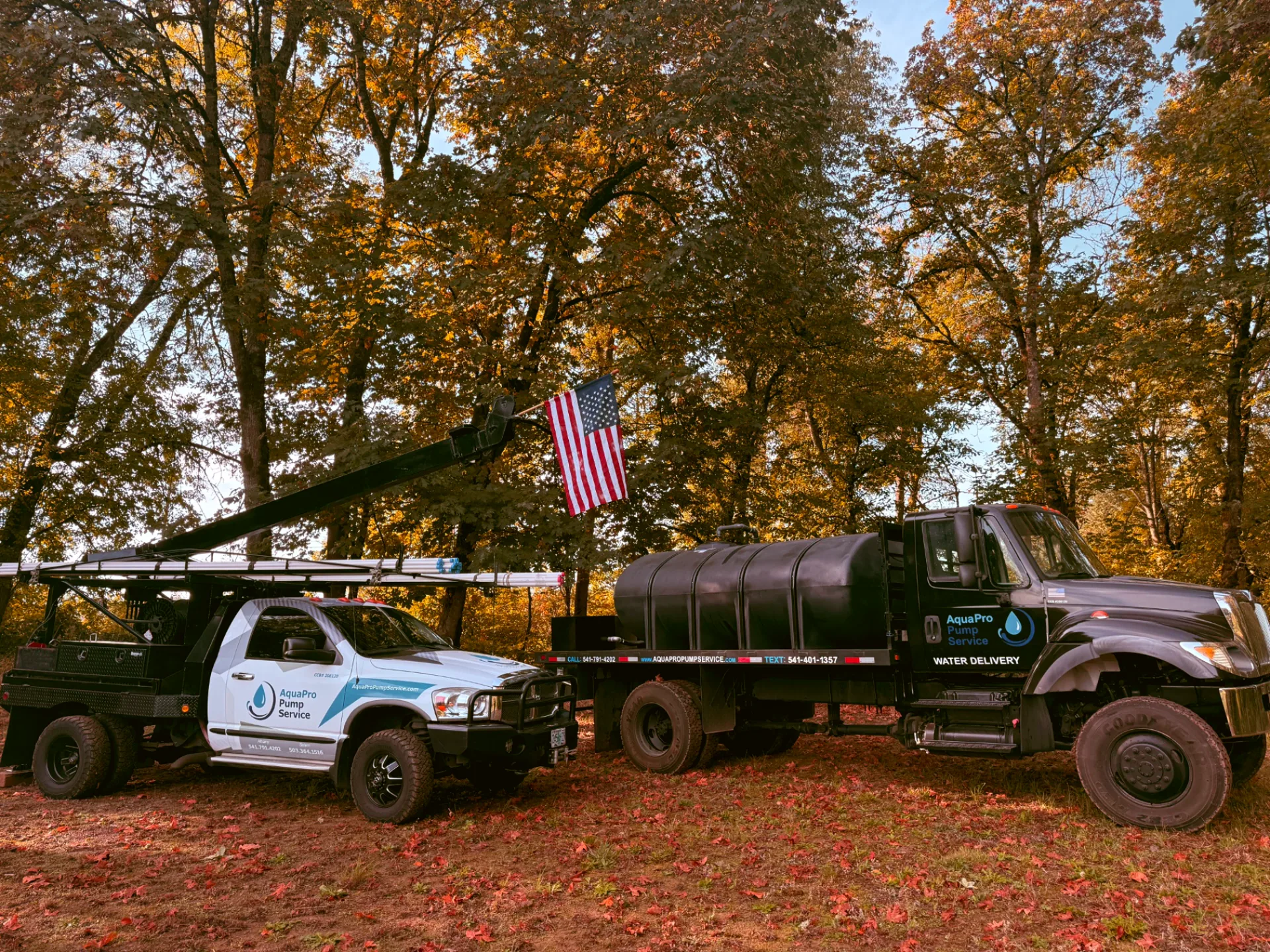
Two generations on Oregon wells — and counting.
3,000+
Wells Served
Across the Willamette Valley & Oregon Coast.Family Owned
Two Generations
First and second, on every job.Licensed & Insured
Peace of Mind
5-Star Rated
On Google
Real neighbors, real wells.
When Insurance Typically Covers Your Well Pump — and When It Doesn't
Ranked from most to least common.
Lightning strike or electrical surge
Most policies cover sudden electrical damage. If a lightning strike fries your pump or control box, it often qualifies.
Fire or explosion
A fire that damages the pump house, wiring, or pump itself is typically a covered peril under standard policies.
Windstorm, hail, or falling trees
If storm debris damages the well head, casing, or above-ground equipment, that damage is usually covered.
Sudden accidental damage
A vehicle hits the well house, or heavy equipment cracks the casing — sudden physical damage may be covered.
Wear and tear / age
A pump that simply wears out after 12–18 years is almost never covered. This is the most common reason claims are denied.
Gradual breakdown or corrosion
Slow mechanical failure, mineral buildup, or corrosion over time is considered maintenance, not a covered peril.
If Your Pump Just Failed, Here's the Smart Order of Steps
First, call a licensed well professional to diagnose the exact cause of failure — you'll need that documented cause for any insurance claim. Then review your policy's covered perils list (usually in the Declarations page). If the failure looks sudden and accidental, call your insurer before any repairs begin — they may want to send an adjuster. If it's wear and tear, insurance won't help, but a repair shop that looks for the most cost-effective fix first can still save you hundreds. Either way, get the cause in writing before you file.
No water right now? We treat that as an emergency.
- Same-day response
- Most repairs done in one visit
Mon–Sat Emergency Response
What You Pay When Insurance Doesn't Cover It
Most well pump failures are wear-and-tear, which means the homeowner pays out of pocket. The good news: not every failure needs a full replacement, and a good well pro will look for the most cost-effective fix first. Here's what people typically pay when insurance doesn't apply.
- Minor repair (switch, capacitor, wiring)roughly $150–$600
- Pressure tank replacementroughly $400–$1,200
- Shallow well jet pump, replaced & installedroughly $800–$1,800
- Submersible pump (typical 100–200 ft well), installedroughly $1,500–$3,000
- Deep submersible (300–400 ft), installedroughly $2,800–$5,500
These are national ranges for planning — not a quote. Your well's depth and setup determine the actual price. We give you a firm, itemized quote before any work.
Firm, itemized quote before any work — we look for the most cost-effective fix first.
No surprise charges, ever.
Call (541) 401-1357What Happens When You Call?
We diagnose first, then give you a firm price — you approve it before we begin.
- First call
Step 1: You call us
Tell us the symptom; we'll tell you what it likely is.
- On site
Step 2: We diagnose on-site
Pump, tank, switch, wiring, and water — the whole system.
- Before any work
Step 3: Upfront price, you approve
Repair options explained straight.
- Usually one visit
Step 4: Fixed with premium parts
Most fixes finished the same visit.
What Do Oregon Neighbors Say?
“Responsive, knowledgeable, reasonably priced. They were under budget, but over delivered.”
“I had a deep well pump failure and they made me a priority — out to assess within an hour, and a new pump, pipes, and controller installed by the next day.”
“On time for every appointment, finished faster than expected, and credited me for parts they didn't use. We were only without water about 5 hours while they replaced our pump and pressure tank.”
Why Call Aqua Pro for This?
We diagnose first — no upsell
Often it's a switch, a capacitor, or a tank — not the pump. We tell you straight.
Most fixes done in one visit
Our trucks carry what wells need, so most repairs are finished the day we arrive.
Firm, itemized quote first
You see exactly what it costs and why before we start. No surprise charges.
Two generations, family-owned since 2007
Licensed, bonded, and insured, working Valley and Coast wells every day.
Who Does Our Family Support Locally?
The local charities, chambers and community groups we're proud to stand behind.








What Else Could It Be?
- 01
Well Pump Replacement Cost
See causes and fixes.
- 02
No Water From Well
Failed pump, tripped breaker, or a low well level.
- 03
Low or Dropping Water Pressure
Pressure tank, switch setting, or a worn pump.
- 04
Pump Won't Turn On
Breaker, pressure switch, capacitor, or motor.
- 05
Pump Won't Shut Off (Short-Cycling)
Waterlogged tank or a failing pressure switch.
- 06
Air or Sputtering From Faucets
Low water level, a leak, or a pump drawing air.
Which Service Fixes It?
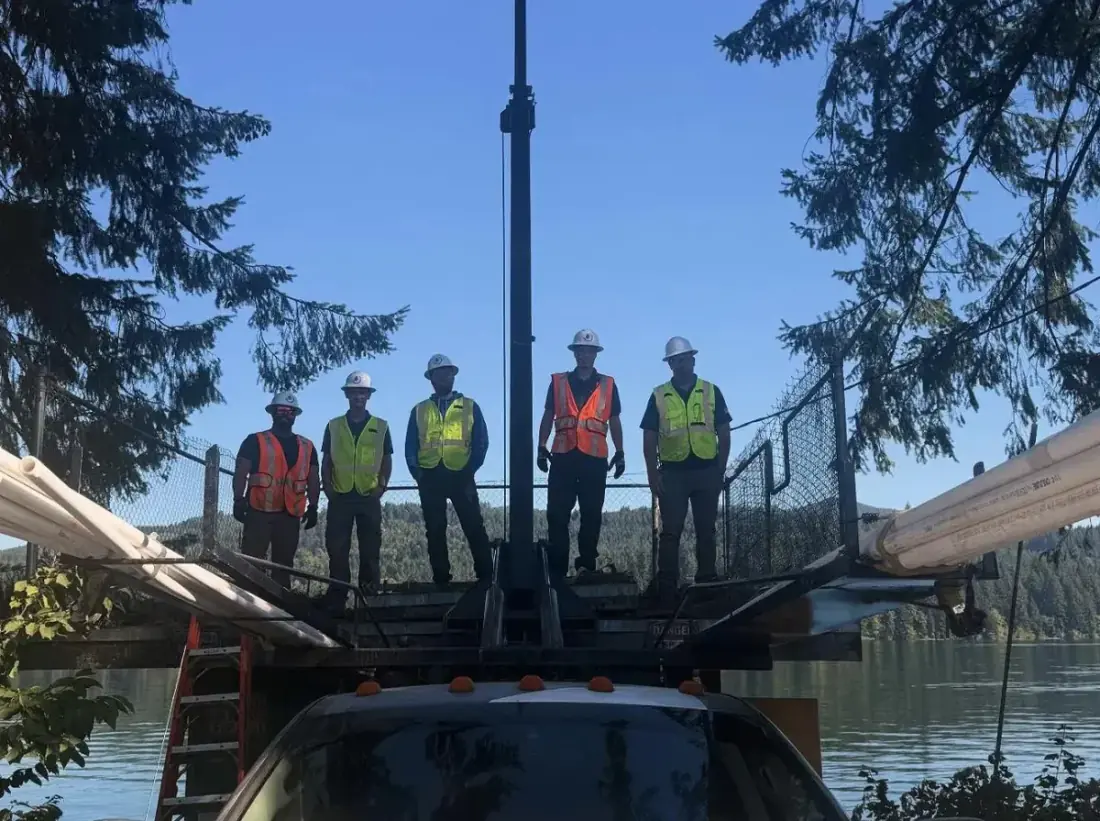
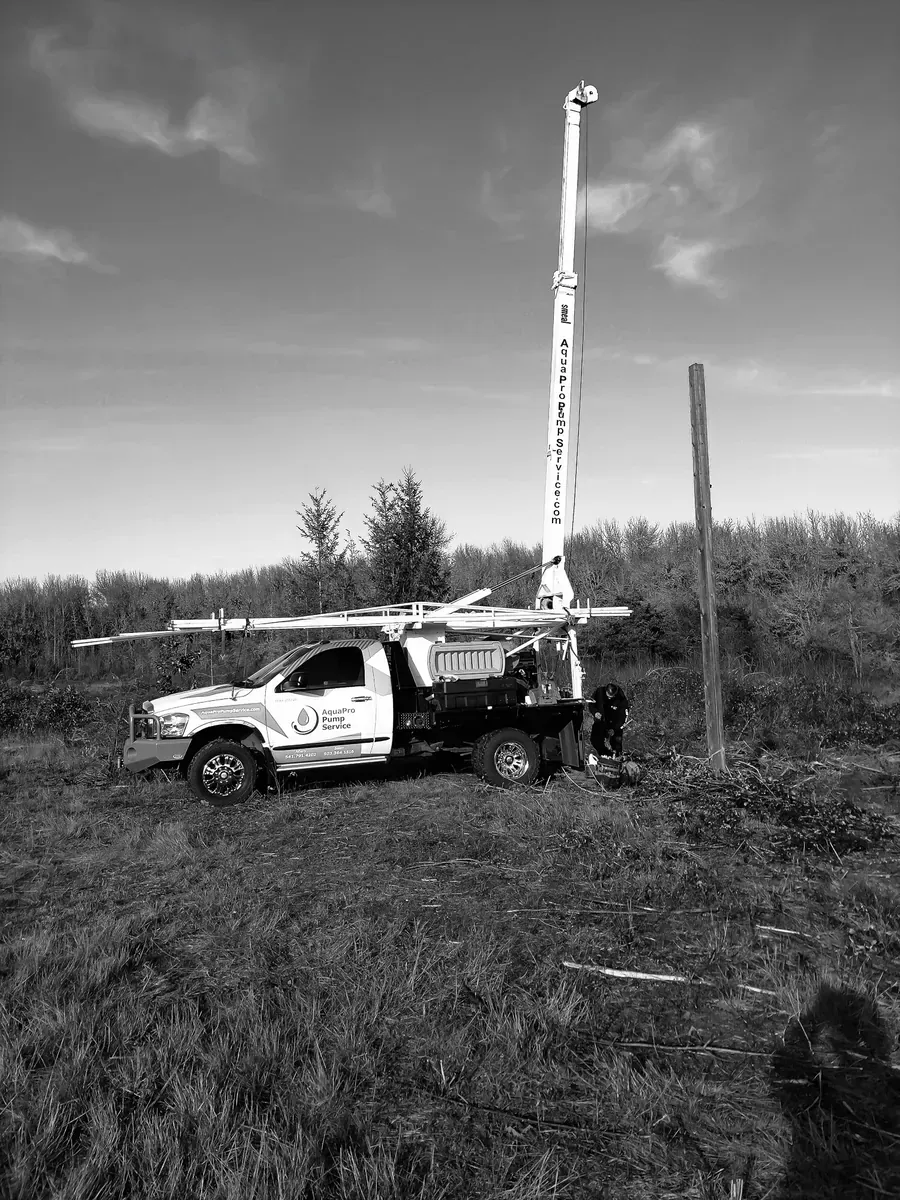
Where Do We Fix Well Problems?
Aqua Pro covers Linn, Benton, Marion, Polk & Lincoln counties — Valley and Coast, plus the surrounding rural areas.
Don't see your town? Call and we'll confirm.
What Else Do People Ask About Insurance Coverage?
Last updated June 2026.